Overall view
Healthy diets are the base of human well-being; it is as simple as that.
We are made of every cell of every food we introduce into our body!
Healthy nutrition is primordial for children’s growth and essential for the optimal health of adults; still, the perception of healthy diets differs from country to country and includes many different environmental and cultural components.
The presence of certain digestive enzymes in some ethnic groups and not in others suggests that we have evolved to adapt to the environment by eating what was available around us, essentially linking our “ideal diet” to our bio-individuality.
Now, we have to remember that the digestive system of our ancestors adapted to what was available in nature as it was, as raw and fresh as possible. Sodium, fats, and sugars were natural and available in minimal amounts, depending on the season. The ecosystem was incredibly diverse; there was no use of pesticides and chemicals, and we used to move all day, work hard with our bodies, go to bed at dusk, and wake up at sunrise.
Like any other animal, our life was shaped by nature and depended totally on it.
What happened…
During the past centuries – and even more drastically in the last 70 years – we have witnessed a radical world transformation that influenced our lifestyle in any single aspect. From a sociological point of view, it seems that humans have been able to adapt to the new world but what about our biological nature? Genetically, in fact, we are still the same creature that evolved in harmony with nature.
We are witnessing, now more than ever, the disastrous consequences of the so-called “modern diet” rich in processed food, saturated fats, sugars, and GMO ingredients, where pesticides and plastic packaging are hard to avoid.
Conditions associated with the quality of our food, such as obesity, diabetes, metabolic syndrome as well as several types of cancer, are pandemic-concerns today. Still, their escalation started in the past decades with the food revolution that messed up our health.
In the end, it all comes down to nutrition

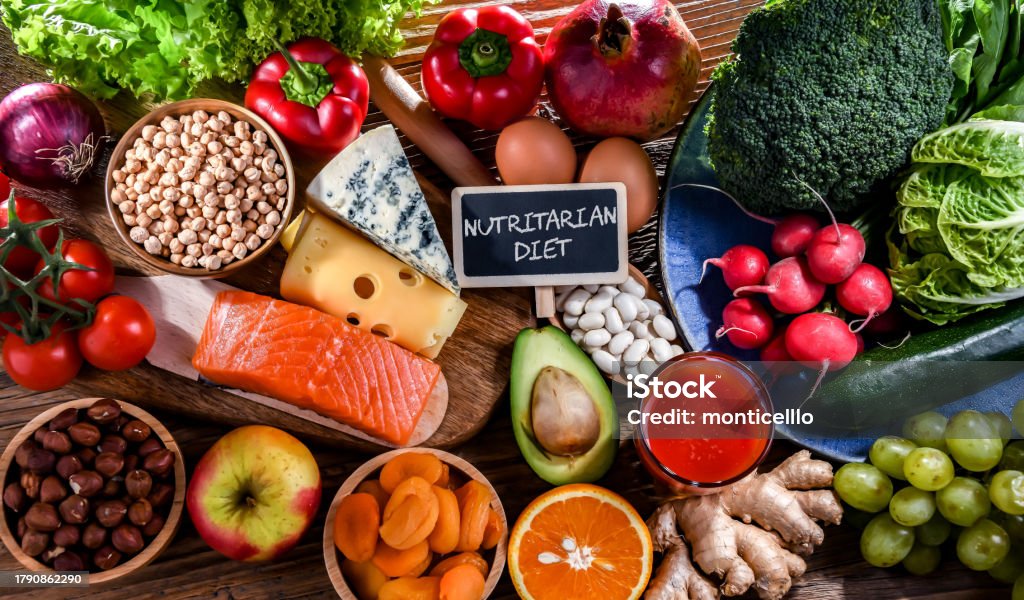
It is easier than we think; whole, simple, fresh, unprocessed food is critical for our health, and our responsibility is to provide our bodies with the best fuel possible. Regardless of any genetic predisposition, all humans need to gather nourishment from the food they eat and use it as fuel to survive; what makes a healthy diet for our species are the five elements essential for human nutrition:
- Calories: For the caloric content of a healthy diet, we need to gather sufficient calories from food to go through the day. Calories come from all our food. The essential source of quick calories is Carbs, which, in small amounts, are necessary for human nutrition. The quantity of calories needed varies from person to person and depends upon our daily tasks and physical and mental activity.
- Amino Acids: The building block of Proteins; out of the 20 amino acids, nine must be consumed with food as our body cannot synthesise thethem. Amino acids are, therefore, an essential part of human nutrition as we need at least 30gr of clean protein per day for the functionality of our body.
- Fatty acids: Fats, including “saturated fats”, are a necessary part of our diet as they are the base for hormones and are crucial for the nervous system, the absorption of fast-soluble vitamins and much more. The amount of fats recommended depends on age and individual condition, as in the case of pregnancy and breastfeeding. Fatty Acids are the most essential fats in human nutrition, particularly Omega 3 and 6.
- Minerals are inorganic compounds that we need to top up regularly as we can’t store them in the body for extended periods. Some minerals, such as magnesium, potassium, and calcium, are necessary for more significant amounts. Still, most minerals are defined as “trace elements” because we need a small amount. Minerals compete with each other and must be taken carefully in case of supplementation.
- Vitamins: They occur naturally in all living organisms and are therefore organic. Our body needs them to fight cellular oxidation that occurs naturally in every living being. There are two types of Vitamins: water-soluble – cannot be stored in the body, as the body eliminates excess with urine; fat-soluble – the body can store them in fat tissues or in the liver to be used in case of shortage, and therefore they need to be taken as a supplement only if necessary.
- Water is a fundamental component of human nutrition. It is the most abundant substance in our body, accounting for about 70% of the whole body. It’s important to drink fresh water during the day, as our kidneys must function correctly and filter the entire volume of blood present in the body. Ideation is key for the brain, the immune system, blood circulation, the digestive system, we can live for several days without food in extreme conditions…but never without water. Water collects the waste from this “filtering operation” and eliminates (waste) through urine.
Summing up
Understanding and adopting a healthy, well-balanced diet tailored to individual needs is essential for promoting optimal health and preventing nutritional imbalances. Education about nutrition, lifestyle choices, and the importance of a varied and nutrient-rich diet is crucial for individuals to make informed decisions about their well-being. Remember that individual nutritional needs may vary based on factors like age, gender, activity level, and health conditions. It’s always advisable to consult with a health are professional for personalised advice based on your specific requirements and health goals.
0 commenti