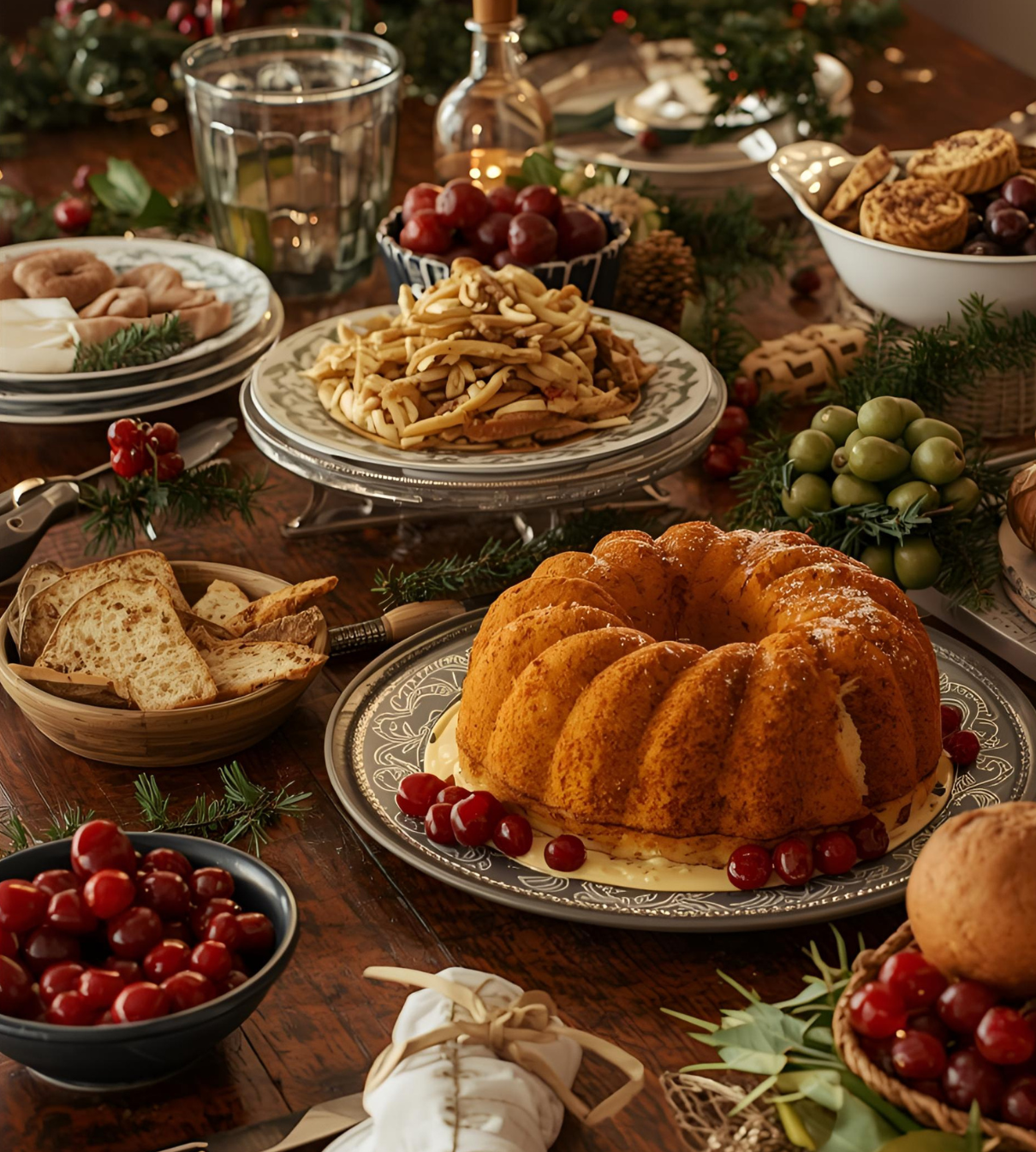
Feasting repeatedly — especially close together — raises insulin levels, increases post-meal glucose excursions, and promotes low-grade inflammation. Short fasting windows or single fasting days reduce that metabolic load, support better blood sugar control, and give the digestive system a rest, so you feel lighter, more energetic, and less bloated. Numerous reviews and meta-analyses consistently show that intermittent fasting can improve weight-management markers and cardiometabolic risk factors [1]. PMC
When to fast around the holiday period — practical timing
Key idea: these fasts are gentle brakes, not punishment. They reset hunger cues and insulin responsiveness so you can enjoy celebrations without the sluggish aftermath.
Before the big feast (e.g. the 24th): a short fast helps stabilise appetite and reduces the chance of overeating that evening.
Between the 26th and year-end: a recovery window between parties prevents cumulative metabolic strain and keeps energy and mood steadier.
Fasting templates you can actually do
Choose what fits your life and energy needs — all of these are compatible with a normal, healthy adult who isn’t pregnant, breastfeeding, diabetic on medication, or taking medicines that require food.
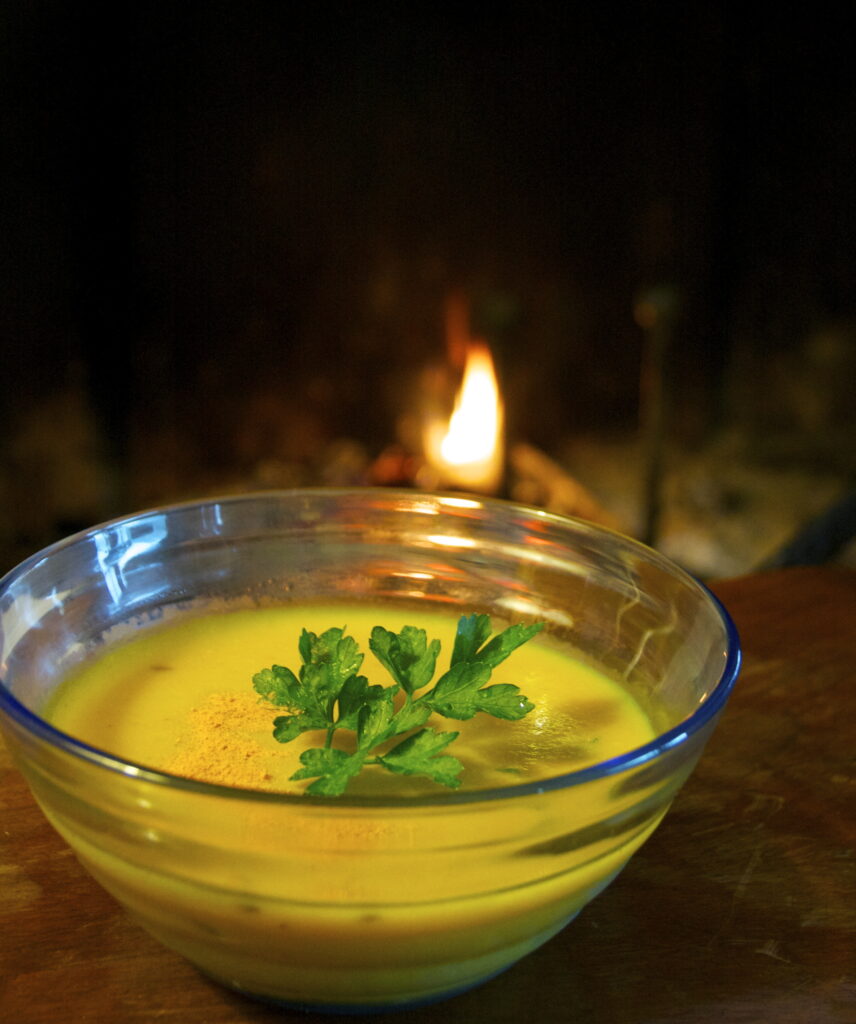
1) One-day broth fast (easy and comforting)
- Drink low-sodium bone or vegetable broth through the day, plus water, herbal teas, and mineral water.
- Why: broth supplies electrolytes and warmth while keeping insulin low. Caveat: check sodium content — many commercial broths are high in salt and can affect blood pressure. Keep to low-sodium options if you’re hypertensive. [3]. Verywell Health
2) One-meal fast/broth for one meal
- Skip one meal (often breakfast) or replace a meal with broth plus a small protein snack if needed.
- Why: very manageable and preserves social flexibility.
3) Intermittent fasting windows
Practical examples: 14:10 (eat during 10 hours), 16:8 (eat during 8 hours). Choose what fits your social schedule — avoid pushing to extreme windows during heavy activity days. Evidence shows intermittent fasting can be as effective as calorie-controlled approaches for several metabolic markers when used sensibly. [1]. PMC
Movement: small, frequent, and well-timed
Movement: small, frequent, and well-timed
You don’t need marathon workouts — short movement after meals is powerful. A brief walk immediately after eating (even 10 minutes) significantly lowers the peak glucose response and helps clear postprandial sugars more quickly — a great tactic on days with heavy meals. [2]. Nature
Quick suggestions:
- 10–20 minute walk after big meals (family stroll is perfect).
- Short high-intensity bursts (10–15 minutes) on non-feast mornings to keep metabolism primed.
- Strength sessions twice weekly to preserve lean mass.
Help digestion — simple herbal and lifestyle tools
Before meals:
- A small glass of warm water with lemon or a few drops of digestive bitters (gentian, artichoke-leaf tincture) to stimulate gastric juices and bile. Artichoke extracts have recent evidence for supporting digestive and metabolic health. [see References]. MDPI
During meals:
- Start with vegetables and protein, eat slowly, pause between plates, and sip water rather than gulp it.
- Limit the ‘triple threat’ plate combinations (large alcohol intake + sweets + very fatty foods) at the same sitting.
After meals:
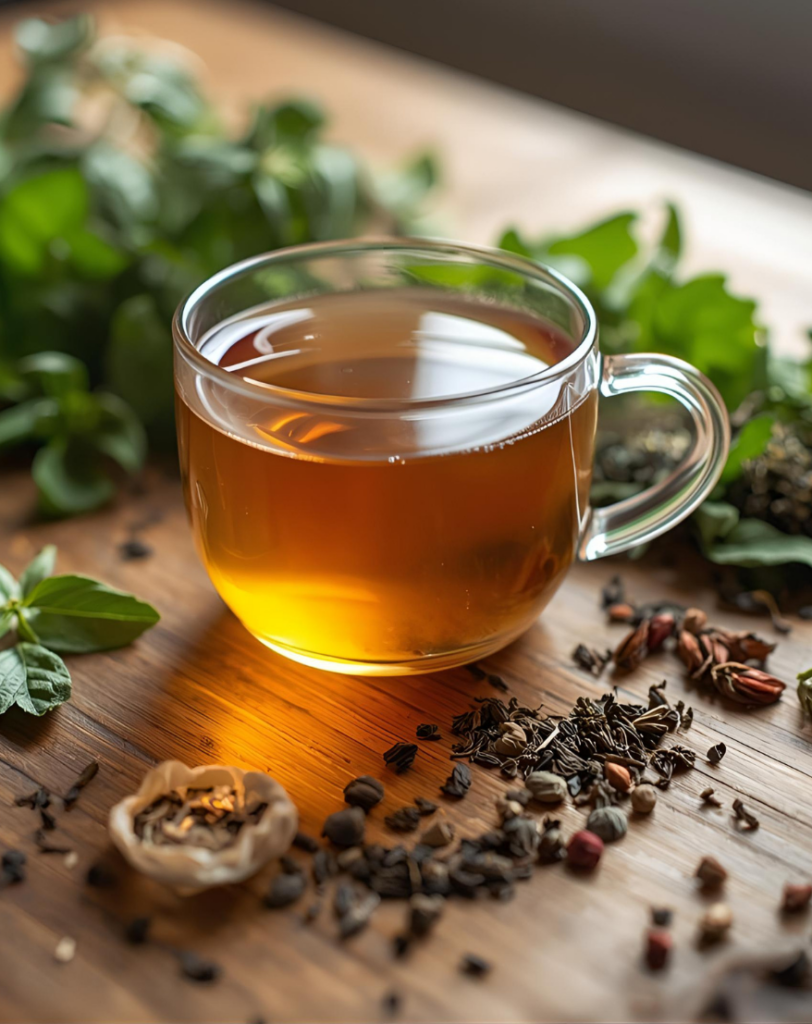
- Herbal teas: peppermint, fennel, ginger or lemon balm soothe digestion and reduce bloating.
- Light walk, gentle movement or standing for a short while.
Supplements & herbs that may help (use cautiously)
Below are supplements commonly used during feasting periods to support metabolism or digestion. Always screen for drug interactions and personal contraindications (e.g. pregnancy, medications such as metformin, statins, anticoagulants).
Important: Avoid “strong” stimulants or high-dose thermogenics close to social drinking or if you’re sensitive to caffeine. Keep doses modest and seek professional advice if on medication.
Practical sample week (flexible template)
- 23rd (pre-feast day): Light day — 16:8 IF or a broth day if you prefer.
- 24th (feast): Enjoy freely; include protein & veg early in the meal, slow eating. Post-meal 15–20 minute walk.
- 25th (rest day): One-meal fast or broth at lunchtime; gentle movement.
- 26th–31st: Alternate feast/celebration days with one-broth or one-meal fast every 2–3 days; keep daily walking habit.
Mindset: the real secret sauce
Remember — occasional feasting won’t ruin health; it’s persistent patterns that matter. Enjoy traditions, savour meals mindfully, and treat fasting as a respectful reset rather than punishment. The alternating rhythm of feast and recovery is kinder, sustainable, and far more effective in the long run.
Safety first
Do not fast without medical advice if you are pregnant or breastfeeding, underweight, have a history of eating disorders, take blood-sugar-lowering medication (e.g. insulin), or have cardiovascular instability. Always check supplements with a healthcare professional if you’re on prescription medicines.
Final thought
Holidays are for connection — not calorie guilt. By alternating celebration with short, intentional recovery strategies (a broth day, a one-meal fast, or simple intermittent fasting), adding tiny movement habits and a few digestive supports, you’ll stay energised, light-hearted and ready to enjoy every sprig of rosemary on the table.
References
- Sun ML et al. Intermittent fasting and health outcomes: umbrella review/meta-analysis (2024). PMC
- Hashimoto K. 10-minute post-meal walk reduces peak glucose: a randomized study (2025). Nature
- Verywell Health. What happens to your blood pressure when you drink bone broth (news summary; 2025). Note: sodium content of commercial broths can be high — choose low-sodium options. Verywell Health
- Wang J. Effects of berberine alone or in combination on glycaemic outcomes — systematic review (Frontiers, 2024). Frontiers
- Demirli A. Synergistic effects of green tea extract and ginger on metabolism and endurance (2025). PMC
0 commenti