Simple ways to carry summer’s energy into the cooler months
Spring and summer often bring a fresh burst of motivation. Longer days invite us outside, and many of us set health or “bikini body” goals—which, admittedly, can give us an extra push. We walk more, return to sport, cook fresh meals, and begin to feel the benefits.
Then September arrives. Work, school and everyday responsibilities fill the diary. It is tempting to think, “I’ll focus on everything else now and get back to my health when life settles down.” But when exactly will that be?
Autumn does not have to be the moment we leave our wellbeing behind. It can be a bridge between the openness of summer and the quieter months ahead: a chance to preserve what gave us energy while finding a new rhythm for the season we are entering.
Notice the golden light
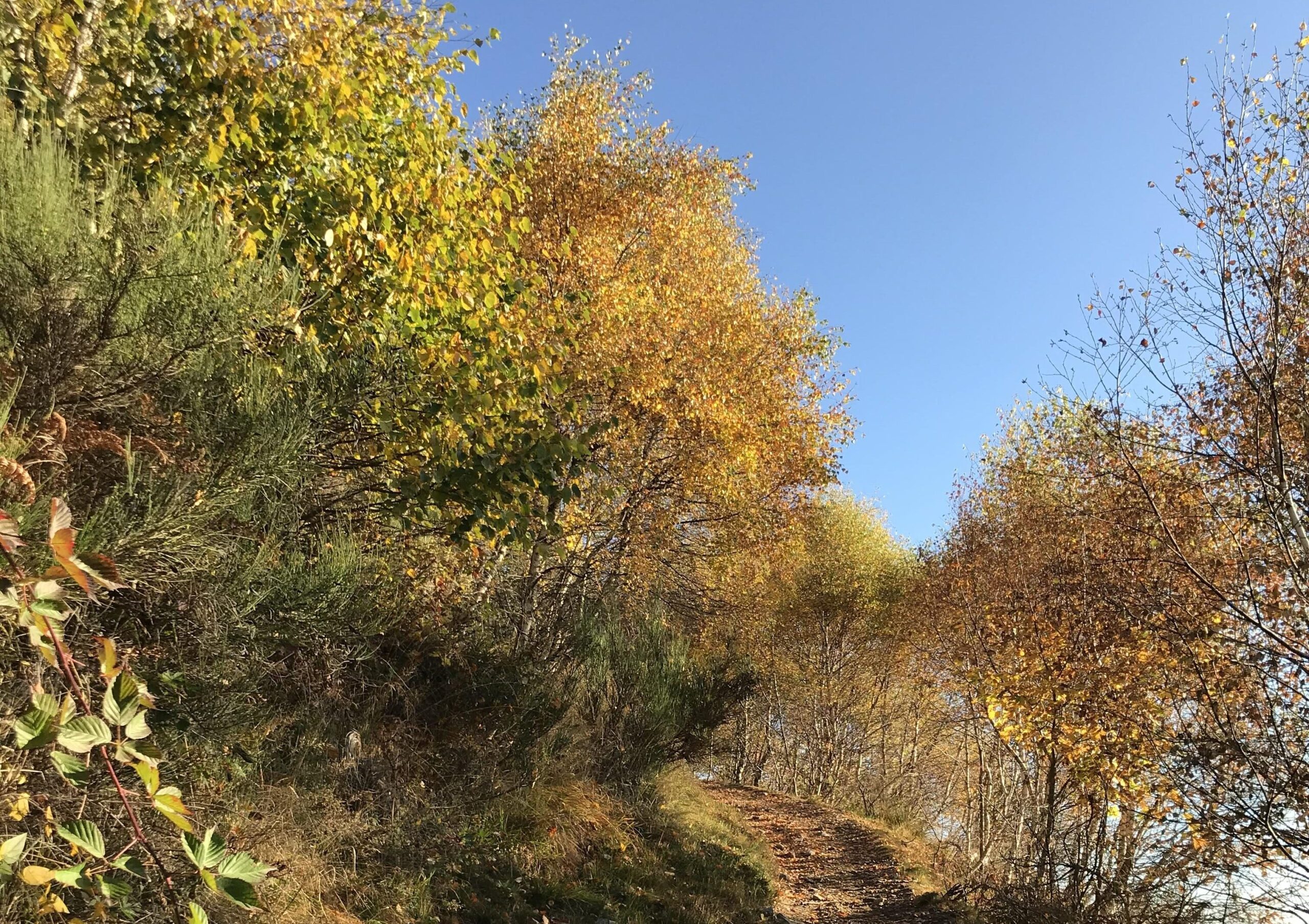
Autumn light has a character of its own. The long, bright evenings of summer give way to shorter days and a softer, golden glow. We cannot store summer sunshine for winter, but we can carry forward the habit of seeking light and of spending time outdoors.
Light helps regulate our circadian rhythm, the internal body clock that governs sleep and alertness. As our days become busier and shorter, it is worth seeking out small opportunities to get daylight. Take your morning drink outside, walk part of your journey to work, or step out at lunchtime. An autumn walk offers movement and a break from your desk, while also letting you notice the changing trees and the particular beauty of this time of year.
Give your summer habits an autumn version
The same idea applies to the habits you enjoyed over the summer. Perhaps you swam, walked after dinner, or had more time to cook. What was it about those moments that made you feel good? Once you know, you can find a way to keep that feeling in your week.
An hour-long evening walk might become a 20-minute walk at lunchtime. Several gym visits might become two appointments you can reliably keep. Cooking dinner from scratch every evening might mean making one pot of soup that also serves as tomorrow’s lunch.
Some weeks will still be difficult. When a plan falls through, ask yourself, “What is the smallest version I could do today?” Motivation comes and goes; the ability to start again is what keeps a habit alive.
Bring autumn colours to the table
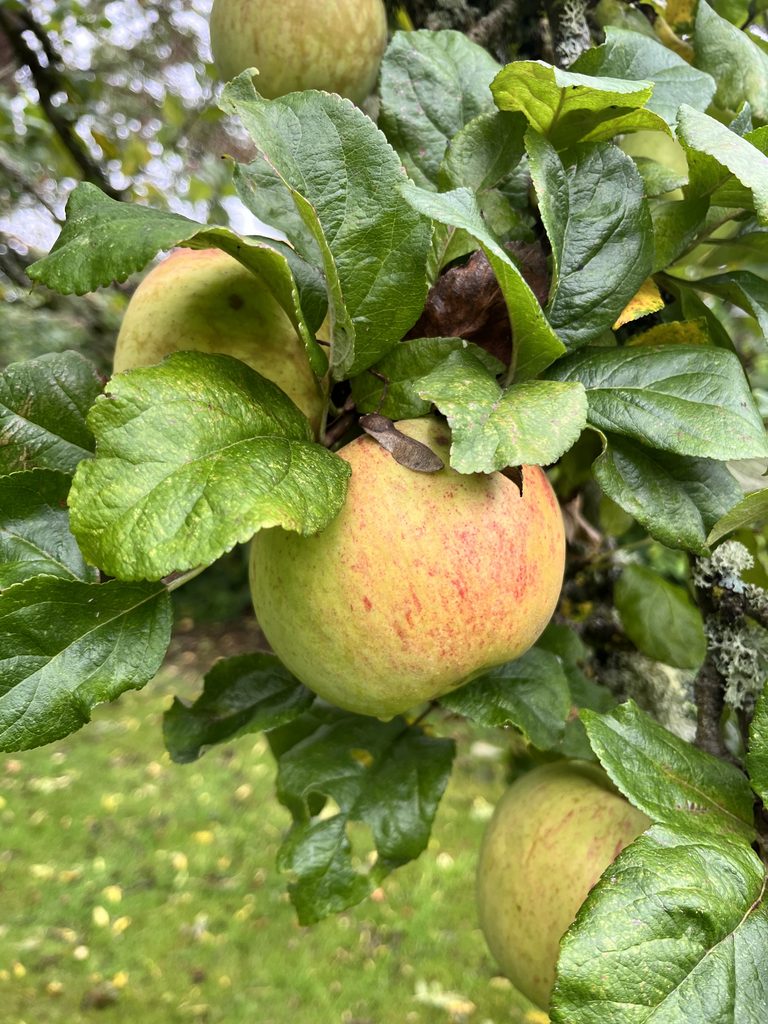
Food can help us enjoy the transition, too. Apples are one of my favourite things about autumn; they remind us that nourishing food can be simple, familiar, and full of pleasure. If you have the chance to pick them, the outing itself is a reason to get outside. There are so many ways to include them in our daily routine: slice one into warm porridge with cinnamon and walnuts, bake apples for a simple dessert, or add crisp slices to a salad; the options are endless. Try eating half an apple, just as it is, before a meal. I find that its crisp, slightly tart taste helps me feel ready to eat and sometimes eases the heaviness in my stomach. Malic acid gives apples much of their tartness; when chewed and tasted, it may help stimulate the body’s normal digestive processes. Apples provide fibre, including pectin, and antioxidant polyphenols.
As the weather cools, I also find myself drawn to the sweet, comforting flavours of root vegetables and squash. Roast carrots, pumpkin or sweet potato with olive oil and herbs; blend squash into soup; or add grated carrot to lentils. Their natural sweetness can make a warm meal feel especially satisfying after a busy day.
Many orange and yellow vegetables provide beta-carotene, which the body can convert into vitamin A. Vitamin A is needed for normal vision and immune function. Alongside protein, healthy fats and a variety of other vegetables, these foods offer a practical way to nourish ourselves as we move gradually towards winter.
A small ritual for the season
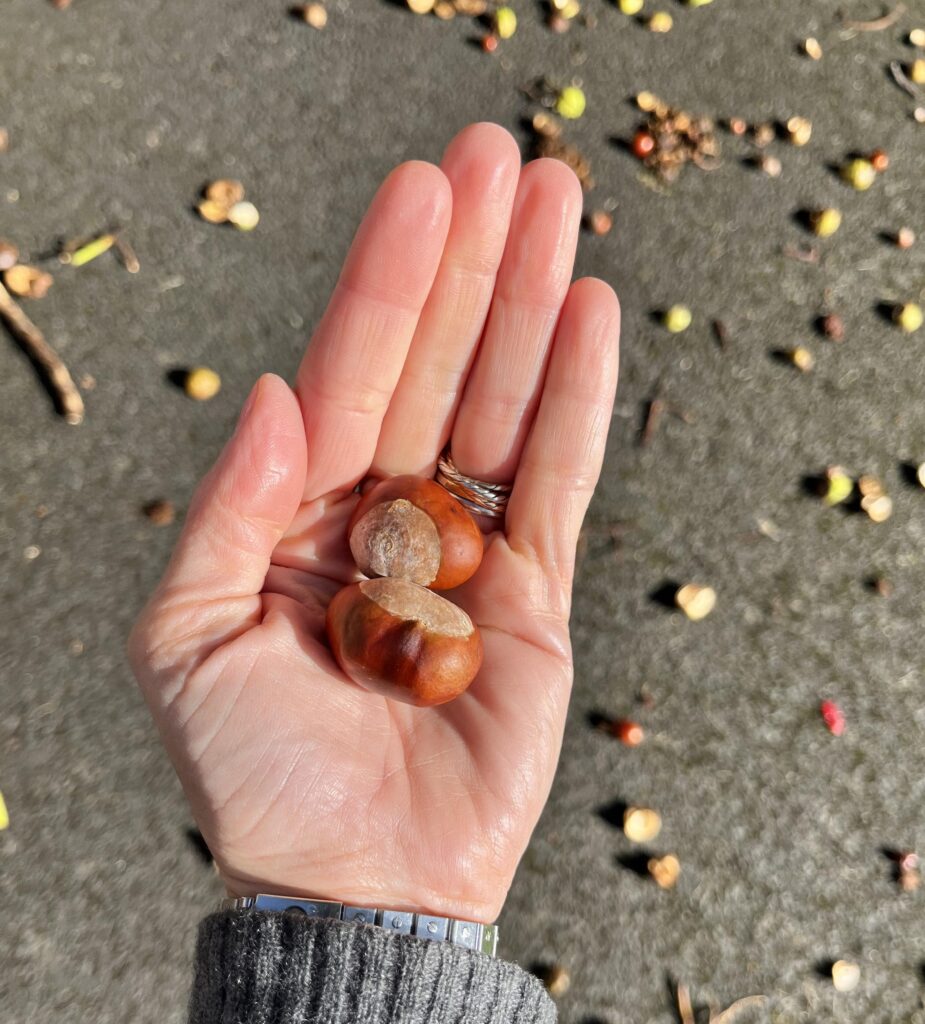
Autumn brings back one of my fondest childhood memories. When I was growing up in northern Italy, my maternal grandmother used to give me a castagna matta every autumn to keep in my pocket. According to the tradition she shared with me, carrying it through winter would keep colds away. Every autumn since then, I have picked one up for myself and several more to give to people I love, just as she did.
In English, the glossy seed is called a conker. It comes from the horse chestnut tree, which is different from the tree that produces edible sweet chestnuts. A conker must never be eaten, and carrying one probably doesn’t prevent a cold…but this ritual gives me a reason to look forward to autumn, and it’s magic. Besides, when I give someone a conker, I am also passing on a little of my grandmother’s care. That, to me, is part of feeling well: finding small ways to connect with nature, with other people and with the season.
Find your own sources of encouragement
The gold, yellow and orange of autumn can serve as gentle reminders of that connection. If these colours lift your spirits, wear them or keep them around you. Perhaps you have a scarf or jumper you love, seasonal flowers that brighten your day, or a bowl of oranges and pumpkins in the kitchen.
In yogic tradition, golden yellow is the colour of the solar plexus chakra, associated with transformation, personal power, and self-confidence. You might pair this reflection with a minute of self-reflexology massage. In reflexology, the solar plexus point is commonly located near the upper-centre of each sole, just below the ball of the foot. Sit comfortably, and apply gentle static pressure to the area with your thumb and take a few slow breaths.
Choosing naturopathic support
As we prepare for winter, it can be helpful to check how our routines are supporting us. Are we sleeping well? Eating regularly? Finding time for movement and daylight? These remain the foundations, even when life is busy.
Supplements are best chosen according to individual circumstances. Vitamin D is a seasonal consideration: UK guidance recommends 10 micrograms daily in autumn and winter, although needs may vary depending on where you live and your personal situation.
Lion’s mane mushroom (Hericium erinaceus): It is known for its brain-stimulating properties, making it an excellent support for cognitive function, attention, and memory.
In Bach flower practice, the choice depends on how difficult motivation feels. Hornbeam is traditionally associated with feeling unable to get started; Wild Oat with feeling unsure of one’s direction; Olive with feeling depleted after sustained effort; and Walnut with adapting to change.
Calcarea phosphorica is a tissue salt sometimes considered in traditional practice during periods of growth or recovery. These are individual, complementary choices; persistent fatigue or low mood warrants attention to its underlying cause.
We may not be able to take the summer light with us, but we can take what summer taught us: the pleasure of moving, eating well, being outdoors and making time for ourselves. This autumn, choose one habit to adapt, one seasonal food to enjoy and one reason to step outside. Let those small things light the way into the months ahead.
Sources and further reading
- Sunlight exposure and sleep regulation (2025).
- Review of how adults maintain physical activity (2024).
- Review of polyphenols in apples (2024).
- NIH: vitamin A and carotenoids (updated 2025).
- NHS: vitamin D guidance.
- Review of research into lion’s mane (2025).
- The Bach Centre’s remedy guide, for the traditional remedy descriptions.
- Woodland Trust: conkers and edible chestnuts, for identification and safety.
0 commenti